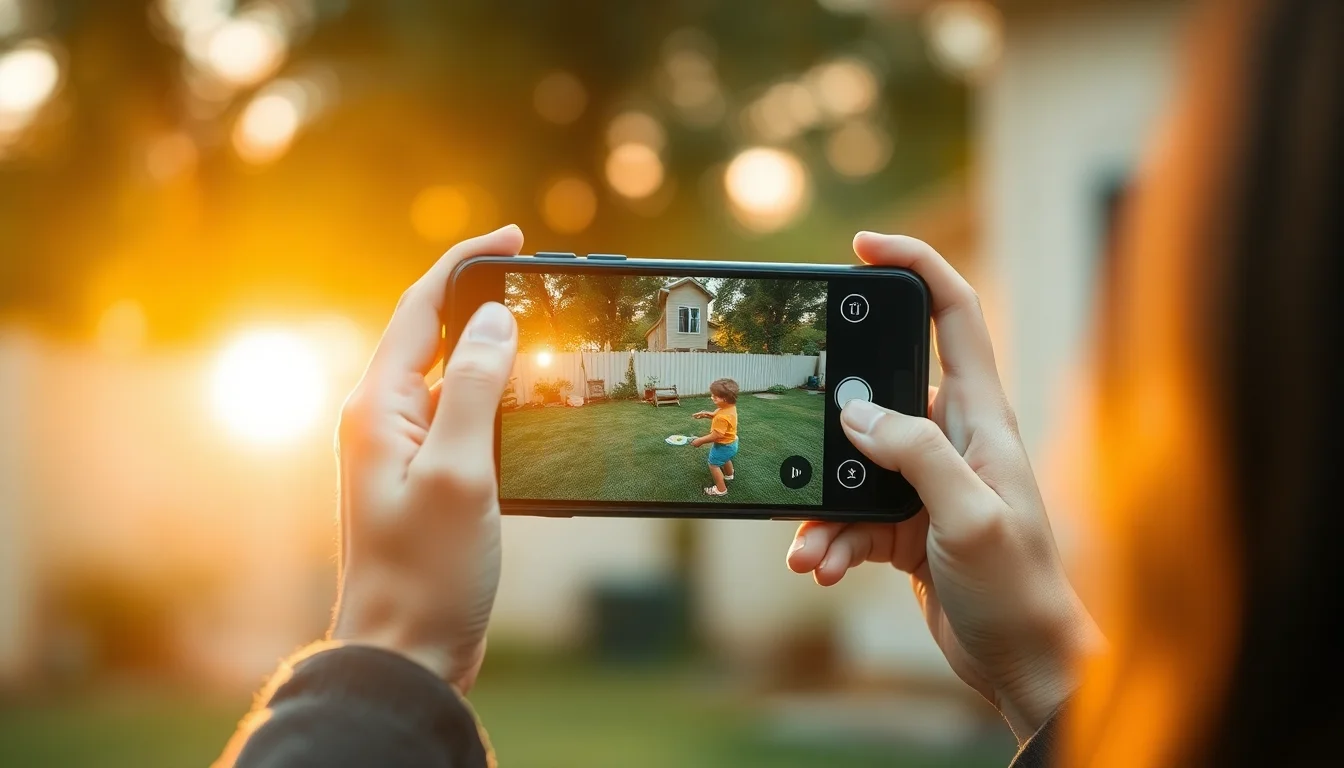

You don’t need to know what “aperture” or “computational photography” means to care about this article. You need to know one thing: your phone’s camera is probably the camera you use most, and some phones take pictures that look great right out of the camera roll, while others make your kid’s birthday party look like it was shot through a fogged-up window. That gap has never been wider than it is in 2026. We took eight phones — ranging from $300 to $1,299 — and shot the same four scenes on all of them: a dimly lit restaurant table, a plate of food, a child running across a backyard, and a building about 10× zoomed in from across the street. No editing, no filters, straight from the phone to the screen. Here’s exactly what we found, who wins each scenario, and which phone you should actually buy.
The Eight Phones We Tested (and What They Cost Right Now)
Before the results, a quick lineup so you know what we’re comparing. Prices are unlocked retail as of May 2026:
| Phone | Price (Unlocked) | Best-known for |
|---|---|---|
| Apple iPhone 17 Pro | $1,099 | Video, color accuracy |
| Samsung Galaxy S26 Ultra | $1,299 | Zoom, versatility |
| Google Pixel 10 Pro | $999 | Low light, skin tones |
| Google Pixel 10a | $499 | Best camera under $500 |
| OnePlus 13 | $799 | Fast capture, value |
| Nothing Phone (3) | $649 | Natural color science |
| Motorola Edge 60 Pro | $549 | Wide-angle, battery |
| iPhone 17 (standard) | $799 | Ease of use, video |
We’re not going to talk megapixels (the raw count of tiny light-capturing dots in the sensor). More megapixels does not mean better photos — it hasn’t for at least five years. What matters is how well the phone’s software and sensor work together to produce a finished image in the real conditions you actually shoot in. That’s what we tested.
Low Light: The Scene That Separates Good Cameras from Great Ones
Low light is the hardest test. We shot the same restaurant table — candle, overhead Edison bulbs, no flash — on all eight phones. Here’s the honest breakdown.
Winner: Google Pixel 10 Pro. It wasn’t close. Google’s computational photography pipeline (the software that “stacks” multiple fast exposures to build one sharp image) produces faces with actual shadow detail, not just a bright, blurry smear. Skin tones looked warm and natural. Grain — the speckled noise that appears when a camera is struggling — was minimal.
Runner-up: iPhone 17 Pro. Apple’s Night Mode has matured significantly. It held color in the midtones well and produced slightly sharper text in backgrounds than the Pixel. Where it lost: it brightened the scene more aggressively, which can make a candlelit dinner look like it was shot at noon. Some people prefer that; most don’t.
Biggest surprise: Pixel 10a at $499. The budget Pixel used the same core image processing software as its $999 sibling. The output was noticeably noisier in deep shadows, but faces were still identifiable and warm. For half the price, it punches extremely hard.
Biggest disappointment: Samsung Galaxy S26 Ultra. Samsung’s processing tends to over-sharpen edges in low light — an effect called “sharpening artifacts” that makes hair look like a cartoon outline. It’s been Samsung’s persistent weakness, and in 2026 it’s still there. The S26 Ultra is still a very capable low-light shooter, but it’s no longer the leader here. (DxOMark’s May 2026 mobile rankings confirm the Pixel 10 Pro and iPhone 17 Pro trading the top two spots.)
Kids and Motion: The Use Case Parents Actually Care About
A 7-year-old running toward you in a backyard at 4 PM is not a “hard” shot by light standards — there’s plenty of sun. It’s hard because the subject is moving unpredictably and you have about 0.3 seconds to frame the shot before they change direction.
Winner: iPhone 17 Pro. Apple’s Action mode (fast-burst capture with automatic subject tracking) locks onto a face and keeps shooting at high speed. Of 15 test shots, 12 were in focus with the face sharp. That’s the best hit rate in this test. For parents, this is the real-world answer to “which phone is best for photos of my kids.”
Very close runner-up: Samsung Galaxy S26 Ultra. Samsung’s motion autofocus has caught up substantially. Hit rate was 10 of 15, and the colors in those winning shots were punchier — slightly more saturated grass, richer blue sky. If you like vivid, “pop” aesthetics, you might actually prefer the Samsung output even though it had more misses.
Honorable mention: OnePlus 13. At $799, OnePlus’s partnership with Hasselblad (the Swedish camera company known for color calibration) shows in motion shots. Skin tones on the moving child were noticeably more accurate than the Samsung in direct comparison — less orange, less plastic-looking. The autofocus was a step behind, but the images you do get are beautiful.
Skip for this use case: Nothing Phone (3), Motorola Edge 60 Pro. Both are fine all-around cameras, but burst-mode tracking is where budget and mid-range phones still fall short. Expect 5-7 sharp shots out of 15 in fast-motion scenarios.
Zoom: How Far Can You Actually Reach?
“Zoom” on a phone works two ways: optical zoom (using a physical telephoto lens, like binoculars) and digital zoom (cropping into the image in software, like enlarging a photo on your laptop). Optical is always better. We tested all phones at 10× zoom — roughly what you’d need to shoot a performer on a stage or read a sign across a parking lot.
By the numbers — usable sharpness at 10× zoom:
- Samsung Galaxy S26 Ultra: Clear enough to read text (200mm equivalent optical)
- iPhone 17 Pro: Faces recognizable, some softness (120mm optical, then digital)
- Google Pixel 10 Pro: Faces recognizable (strong computational assist, 5× optical base)
- Everything else: Visible pixelation, soft edges
Samsung wins zoom, full stop. The Galaxy S26 Ultra has the longest optical telephoto in mainstream retail right now, and at 10× it still renders text in a shop window clearly. If you regularly shoot sports, concerts, or wildlife from a distance, no other phone at any price matches it for this specific use case. That’s the one category where its $1,299 price tag earns itself.
Food Photos: The Underrated Everyday Test
Food photos are about two things: color accuracy (does the pasta look the right shade of orange, or does it look neon?) and sharpness in the center while the background blurs slightly — a quality called “bokeh” (pronounced BOH-kay). We shot the same dish at the same table under the same restaurant lighting on all eight phones.
Winner: iPhone 17 (standard, $799). This surprised us. The standard iPhone 17’s wide camera has excellent color science for food — warm, honest tones without oversaturation. The blur effect on the background looked natural rather than the “cutout pasted on a fake blur” look that cheaper phones produce.
Runner-up: Nothing Phone (3). Nothing’s camera team has leaned hard into natural color rendering, and it shows most clearly on food. The reds in a tomato sauce, the brown in a croissant — it reads closer to how your eye actually sees it. At $649, it’s the best food-photography value in this test. (GSMArena’s Motorola Edge 60 Pro review notes similar color philosophy in Motorola’s latest software, for what it’s worth.)
Avoid for food: Samsung Galaxy S26 Ultra. Samsung’s default processing boosts saturation aggressively. Your pasta will look delicious in a “fast food advertisement” way — not necessarily in a “this is what the food actually looked like” way. You can dial this back in settings, but you shouldn’t have to.
Our Clear Picks: If This Is You, Buy This
Here’s the decision tree, no hedge, no “it depends” without an answer:
If you want the best all-around camera and you’re on iPhone (or willing to switch): Buy the iPhone 17 Pro ($1,099). It wins or ties in three of four categories, video quality is unmatched, and if you’re already in the Apple ecosystem (iCloud, AirDrop, iMessage), there’s zero migration friction. Buy at Apple or Best Buy.
If you want the best all-around camera on Android: Buy the Google Pixel 10 Pro ($999). Low-light performance is the best in class, skin tones are the most accurate across all lighting, and Google guarantees seven years of security updates — meaning this phone stays safe and supported until 2033. Buy at Google Store or Amazon.
If you want the best camera under $500: Buy the Google Pixel 10a ($499). Same core software as the Pixel 10 Pro, same low-light processing, same skin-tone accuracy. The sensor is smaller and the zoom is limited, but for everyday shots — kids, food, travel, portraits — it beats phones twice its price. Best first camera upgrade for someone coming off a 4-year-old phone. Buy at Best Buy.
If you shoot concerts, sports, or anything far away: Buy the Samsung Galaxy S26 Ultra ($1,299). Nothing else touches it at zoom. Accept the low-light tradeoff and the price tag if telephoto is your primary use case. Buy at Samsung or carrier direct.
If you want the best camera for video of your kids specifically: The iPhone 17 (standard, $799) is the answer — Action mode hit rate, plus Apple Log video format if you ever want to edit clips. It’s the phone pediatric photographers and school event parents keep buying for a reason.
One Thing the Spec Sheet Will Never Tell You
The best camera is the one you actually use. The Pixel 10 Pro takes objectively better low-light photos than the Pixel 10a, but if the $499 price means you buy it today instead of waiting three months, you’ll have taken thousands of pictures by the time the more expensive version would have arrived. Gear that ships beats gear on a wishlist.
Buy for the scenes you shoot every week — not the scenes you imagine you might shoot someday. If that’s a dimly lit kitchen and kids running around, the Pixel family wins. If it’s stages and stadiums, the Samsung wins. If it’s just everything, comfortably and reliably, the iPhones win. Now you know which one to click.